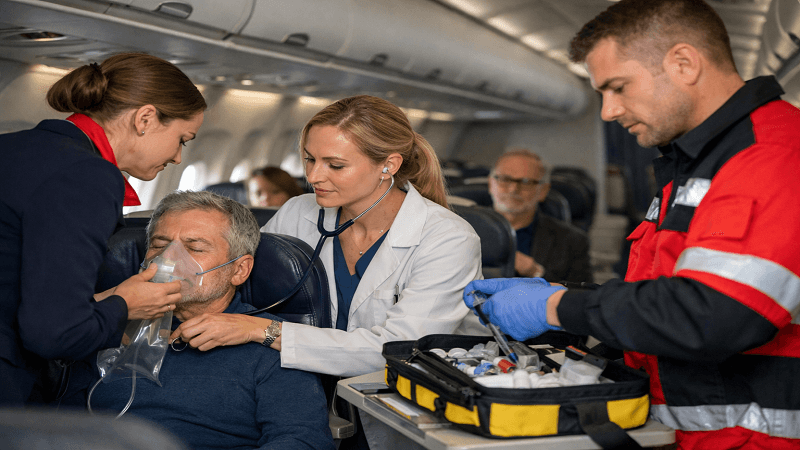
Air travel connects people across continents, but unexpected medical emergencies can transform a routine journey into a critical situation. International flights present unique health challenges that every traveler should understand before boarding an aircraft.
A medical emergency on plane can happen to anyone, regardless of age or fitness level. Passengers must recognize potential risks and know how to respond during an in-flight health crisis. Emergency Care in Dubai stands out as a critical resource for travelers experiencing sudden medical complications during international travel.
Understanding international flight medical assistance protocols can make a significant difference in managing health emergencies at 35,000 feet. Knowing what resources are available and how to access immediate medical support could potentially save a life or prevent serious complications during your travels.
This guide provides essential insights into navigating potential medical challenges during international flights. From recognizing early warning signs to understanding emergency response procedures, travelers will gain practical knowledge to stay safe and prepared.
Understanding Medical Risks and Common Health Issues on Long-Haul Flights
International air travel presents unique challenges for passenger health. Aviation medical emergencies can occur unexpectedly, making it crucial for travelers to understand potential risks during long flights. The confined environment of an airplane creates specific health conditions that passengers should be aware of and prepared to manage.
Deep Vein Thrombosis and Circulation Challenges
Deep vein thrombosis flights pose a significant risk for travelers spending extended hours seated. Prolonged immobility can lead to blood clot formation, particularly in the legs. Certain individuals face higher risks, including:
- Passengers over 40 years old
- People with pre-existing circulation disorders
- Pregnant women
- Travelers with recent surgeries
Cardiac and Respiratory Concerns at High Altitude
A cardiac emergency airplane scenario can develop due to reduced cabin pressure and lower oxygen levels. Respiratory distress high altitude conditions may impact passengers with pre-existing heart or lung conditions. Warning signs travelers should monitor include chest discomfort, irregular heartbeat, and unexpected shortness of breath.
Infectious Disease Transmission Risks
Infectious disease air travel transmission remains a critical concern in enclosed aircraft environments. While modern filtration systems significantly reduce risks, passengers should remain vigilant. Practicing good hygiene, wearing masks, and maintaining personal space can help minimize potential exposure to communicable diseases during international flights.
Onboard Medical Resources and What Airlines Are Equipped to Handle
Commercial airlines prioritize passenger safety by maintaining comprehensive medical resources on every flight. The onboard medical kit represents a critical line of defense during unexpected health emergencies at 30,000 feet. These carefully curated airline medical equipment collections include essential tools like automated external defibrillators (AEDs), oxygen supplies, and critical medications.
Flight attendants undergo rigorous training in first aid and emergency response procedures. Their flight attendant first aid skills enable them to provide immediate assistance during medical incidents. When serious situations arise, airlines typically broadcast requests for medical professionals, hoping a doctor on plane can offer specialized support.
- Standard onboard medical kit contents include:
- Blood pressure monitors
- Cardiac event medications
- Epinephrine auto-injectors
- Oxygen administration equipment
Pilots are trained to manage emergency medical landings when passenger health requires immediate intervention. The decision involves carefully evaluating the passenger’s condition, available medical resources, and proximity to suitable airports with advanced healthcare facilities. An emergency medical landing can be initiated when ground-based medical consultation determines it necessary.
Modern airlines invest significant resources in preparing crews to handle unexpected medical situations. Their comprehensive approach ensures passengers receive prompt, professional care during potential health emergencies, transforming an intimidating scenario into a manageable medical response.
Emergency Care in Dubai: What to Expect When Your Flight Lands
Travelers facing medical emergencies during international flights can find reassurance in Dubai’s exceptional healthcare infrastructure. Dubai airport medical services are designed to provide rapid and comprehensive medical support for tourists and transit passengers experiencing health challenges.
Dubai International Airport stands out with its world-class medical facilities strategically positioned to handle emergencies quickly and efficiently. The emergency response teams are trained to manage a wide range of medical situations, ensuring immediate care for international travelers.
Airport Medical Facilities and Immediate Response
The medical facilities at Dubai International Airport offer comprehensive emergency care with several key features:
- 24/7 medical staffing with multilingual healthcare professionals
- Advanced medical equipment for immediate diagnostic and treatment needs
- Direct communication channels with city hospitals
- Ambulance services on standby for critical transportation
Navigating Dubai’s Healthcare System as an International Traveler
International travelers should be aware of critical aspects when seeking Dubai healthcare for tourists:
- Travel health insurance is mandatory for entry into the UAE
- Emergency services can be accessed by dialing 999
- Most medical facilities have English-speaking staff
- Carry passport and travel documents for smooth medical access
Dubai emergency response systems are designed to provide seamless medical support, ensuring travelers receive top-tier healthcare regardless of their medical situation. The city’s commitment to exceptional medical facilities makes it a reliable destination for international travelers needing urgent medical attention.
Preparing for Medical Emergencies Before Your International Journey
Smart travelers understand that pre-travel health preparation is crucial for a safe international trip. Investing in comprehensive travel health insurance with robust medical evacuation coverage can provide critical protection against unexpected medical challenges. Experts recommend selecting a policy that covers international travel health risks, ensuring you’re financially protected during medical emergencies abroad.
A strategic travel medical checklist should include scheduling a pre-travel consultation with your healthcare provider. This appointment helps assess your fitness for travel and allows you to discuss medication requirements. Travelers with chronic conditions must pay special attention to documenting their health needs, carrying medications in original containers, and bringing copies of prescriptions with generic drug names recognized internationally.
Digital preparedness plays a significant role in modern travel safety. Consider registering with your country’s embassy, downloading health apps, and storing emergency contact numbers for your destination. Travelers with specific medical conditions like diabetes or severe allergies should wear medical alert bracelets and carry essential emergency medications such as EpiPens or prescription drugs.
Proactive health management transforms travel anxiety into confident exploration. Understanding potential international travel health risks, maintaining proper medication schedules across time zones, and staying hydrated during flights can significantly reduce medical complications. By taking these preventive steps, travelers can focus on enjoying their journey with peace of mind.